
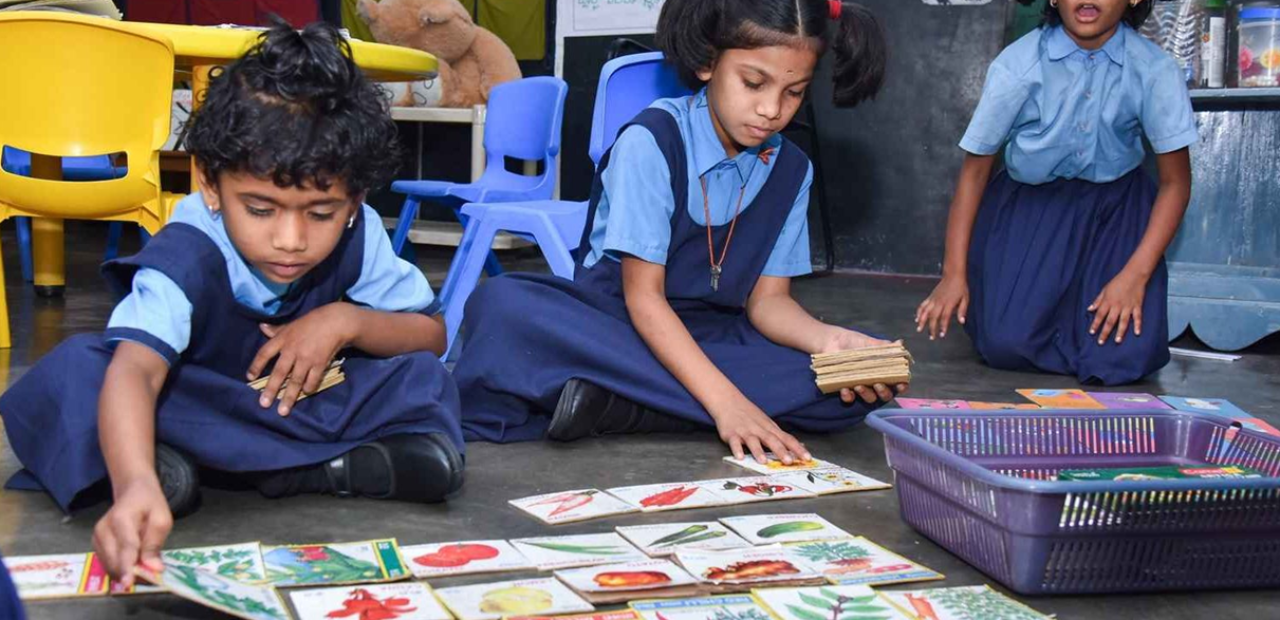
Impact of Government Initiatives on Education in India

Education plays a fundamental role in shaping a nation’s future, and India has made significant progress in expanding access and improving quality over the years. The evolution of education in India has been strongly influenced by various government initiatives aimed at making learning more inclusive, accessible, and effective. These efforts are helping bridge gaps in literacy, infrastructure, and digital access across the country.
Expanding Access to Education
One of the primary goals of government initiatives has been to ensure that education reaches every corner of the country. Programs focused on universal enrollment have significantly increased the number of children attending schools.
Efforts to build schools in rural and remote areas, along with providing free textbooks, uniforms, and mid-day meals, have encouraged higher enrollment rates. These initiatives have played a crucial role in strengthening the foundation of education in India.
Improving Quality of Education
Beyond access, improving the quality of learning has been a major focus. Government policies have introduced updated curricula, teacher training programs, and standardised assessments to enhance learning outcomes.
The emphasis on skill development and practical knowledge is helping students become better prepared for future opportunities. These improvements are contributing to the overall advancement of education in India.
Promotion of Digital Learning
Technology has become a key driver in transforming education. Government initiatives promoting digital learning have made educational resources more accessible to students across the country.
Online platforms, virtual classrooms, and digital content are enabling students to learn beyond traditional classroom settings. This shift is particularly important for enhancing education in India in remote and underserved areas.
Focus on Inclusive Education
Inclusivity is a central aspect of modern educational policies. Special initiatives have been introduced to support marginalized communities, girls, and differently-abled students.
Scholarships, financial aid, and targeted programs are helping ensure that no child is left behind. These measures are making education in India more equitable and inclusive.
Skill Development and Vocational Training
In addition to academic education, there is a growing emphasis on skill development and vocational training. Government programs are encouraging students to acquire practical skills that align with industry requirements.
This focus on employability ensures that education in India contributes directly to economic growth by creating a skilled workforce.
Strengthening Higher Education
The government has also taken steps to improve higher education by establishing new institutions, promoting research, and encouraging innovation. Increased investment in universities and technical institutes is enhancing the quality of advanced education.
These developments are positioning education in India as a competitive sector on a global scale.
Challenges and the Way Forward
Despite significant progress, challenges such as infrastructure gaps, teacher shortages, and regional disparities remain. Addressing these issues requires continuous investment and effective implementation of policies.
Future initiatives must focus on improving learning outcomes, integrating technology, and ensuring equal opportunities for all. Strengthening these areas will further enhance the impact of education in India.
Conclusion
Government initiatives have played a transformative role in shaping education in India, improving access, quality, and inclusivity. From expanding school infrastructure to promoting digital learning, these efforts have created a strong foundation for future growth.
As India continues to invest in education, it is set to unlock the potential of its population and drive long-term social and economic development.