
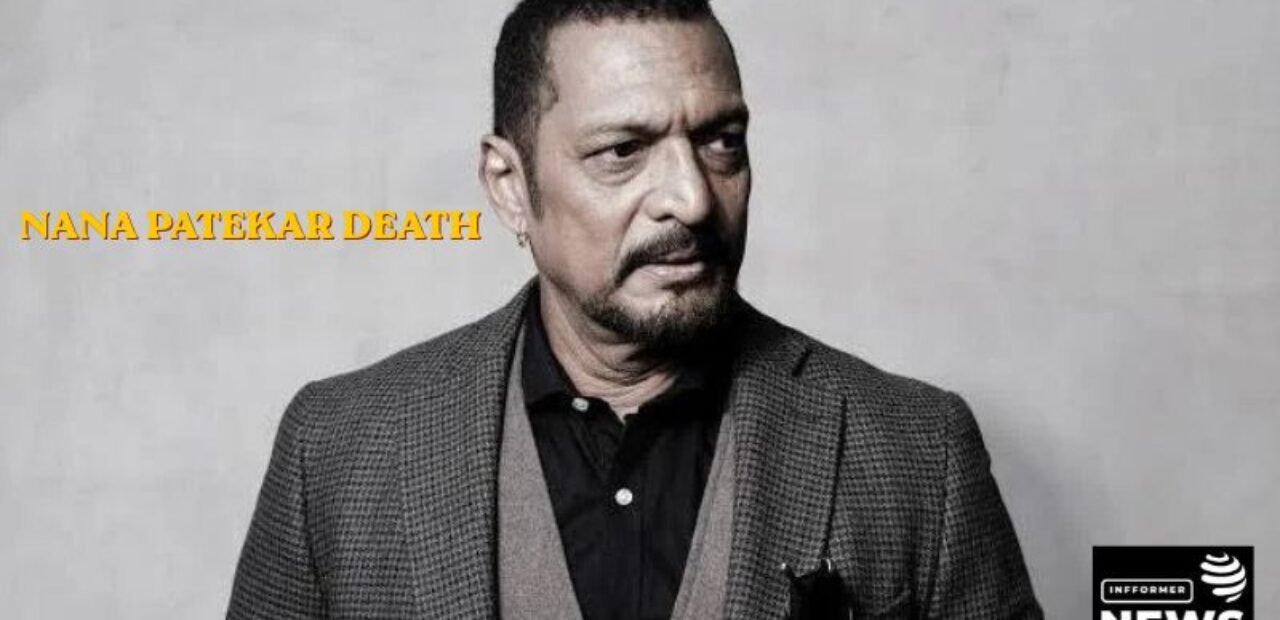
Nana Patekar Death: Latest News, Cause of Death, Age and Legendary Film Career

Introduction to Nana Patekar Death
The news of Nana Patekar death has brought sadness to fans of Indian cinema who admired his powerful acting, distinctive voice, and unforgettable performances. Veteran Bollywood and Marathi film actor Nana Patekar passed away on October 8, 2026, at the age of 75 in Goa, according to reports published by Reuters and other established news organizations. His death marked the end of a remarkable journey in the entertainment industry, where he earned recognition for portraying complex characters with extraordinary intensity. From serious dramatic roles to memorable comedy performances, Patekar established a unique identity that distinguished him from many other actors. His contribution to Indian cinema extended beyond commercial success, as he became known for his commitment to realistic storytelling and emotionally powerful performances.
Nana Patekar Death News and Reported Cause
What Happened to Nana Patekar?
According to published news reports, Nana Patekar was found unresponsive at his residence in Goa during the early hours of October 8. He was subsequently taken to Manipal Hospital, where medical professionals attempted to revive him. Doctors declared him dead at approximately 5:20 a.m. His son, Malhar Patekar, confirmed the news of his passing. Initial reports attributed his death to cardiac arrest, although the precise circumstances surrounding a medical emergency should be distinguished from any additional conclusions that might emerge through official procedures. The news quickly spread across India, prompting tributes from fellow actors, filmmakers, political leaders, and admirers. For many people, the announcement was especially heartbreaking because Patekar remained a respected figure whose work continued to attract audiences across generations.
Why Fans Are Searching for Nana Patekar Death News
Public interest in Nana Patekar death reflects the strong connection audiences developed with the actor throughout his long career. When a celebrated personality passes away, people naturally seek reliable information about the circumstances, family statements, funeral arrangements, and professional legacy. Social media can spread updates rapidly, but it can also circulate incomplete or misleading information. Readers should therefore rely on established news organizations and verified family statements rather than anonymous posts or sensational headlines. Accurate reporting helps audiences understand what happened while allowing the family and friends of the deceased to be remembered with dignity and respect.
Nana Patekar’s Successful Acting Career
Early Life and Entry into Indian Cinema
Born Vishwanath Patekar in Maharashtra in 1951, Nana Patekar developed his acting skills through theatre before becoming a prominent film performer. He made his Hindi film debut with Gaman in 1978 and gradually established himself through performances that demonstrated his versatility and emotional depth. Unlike performers who depend primarily on glamour or conventional heroic roles, Patekar often chose characters with difficult personalities, moral conflicts, and complicated motivations. His ability to communicate anger, vulnerability, courage, and humour made his performances particularly memorable. Over the years, he worked in both Hindi and Marathi cinema, building a career that reflected dedication, experience, and a willingness to explore challenging roles.
Movies That Made Nana Patekar Famous
Patekar earned widespread recognition through films such as Parinda, Krantiveer, Agni Sakshi, Khamoshi: The Musical, Ab Tak Chhappan, and Apaharan. His role in Parinda demonstrated his ability to portray dark and emotionally demanding characters, while Krantiveer strengthened his reputation for forceful dialogue delivery and socially charged performances. He also displayed a lighter side through his portrayal of Uday Shetty in Welcome, proving that his talent extended well beyond serious drama. His work earned him multiple National Film Awards and the Padma Shri, reflecting his significant contribution to Indian cinema. These achievements help explain why audiences continue to celebrate his performances and revisit his most memorable films.
Nana Patekar’s Personal Life and Social Contributions
Beyond the Film Industry
Nana Patekar was admired not only for his acting but also for his connection with social causes. He was associated with efforts to support farmers and address water-related challenges through the Naam Foundation, which he co-founded with fellow actor Makarand Anaspure. The organization focused on helping farmers facing financial difficulties and supporting rural communities affected by drought. This aspect of his life revealed a different side of the actor, showing that his interests extended beyond cinema and celebrity. While audiences primarily remember his commanding performances on screen, his involvement in charitable initiatives also became an important part of his public identity. His passing has encouraged admirers to reflect on both his artistic achievements and his efforts to contribute to society.
The Legacy of Nana Patekar Death
How Indian Cinema Will Remember Him
The news surrounding Nana Patekar death represents a significant loss for Hindi and Marathi cinema. His acting style was difficult to imitate because it combined a distinctive voice, expressive facial movements, and an ability to make complicated characters feel believable. Whether portraying a fearless social crusader, a troubled individual, or a humorous character, he brought a recognizable personality to every performance. His films continue to offer audiences a way to appreciate his craft, while his awards and decades of work demonstrate the lasting influence he had on Indian entertainment. According to published reports, he was cremated with state honours in Pune, where family members, friends, and admirers gathered to pay their final respects.
Final Thoughts
In conclusion, Nana Patekar death marks the end of an extraordinary chapter in Indian cinema, but it does not diminish the impact of his work. His performances in films such as Krantiveer, Parinda, and Welcome remain important examples of his versatility as an actor. Readers seeking information about his passing should consult reliable news sources for confirmed details rather than depending on unverified social media claims. His artistic achievements, memorable screen presence, and involvement in social initiatives will continue to shape how audiences remember him. Although he is no longer with us, the characters he brought to life will remain part of Indian cinema’s cultural history for years to come.