
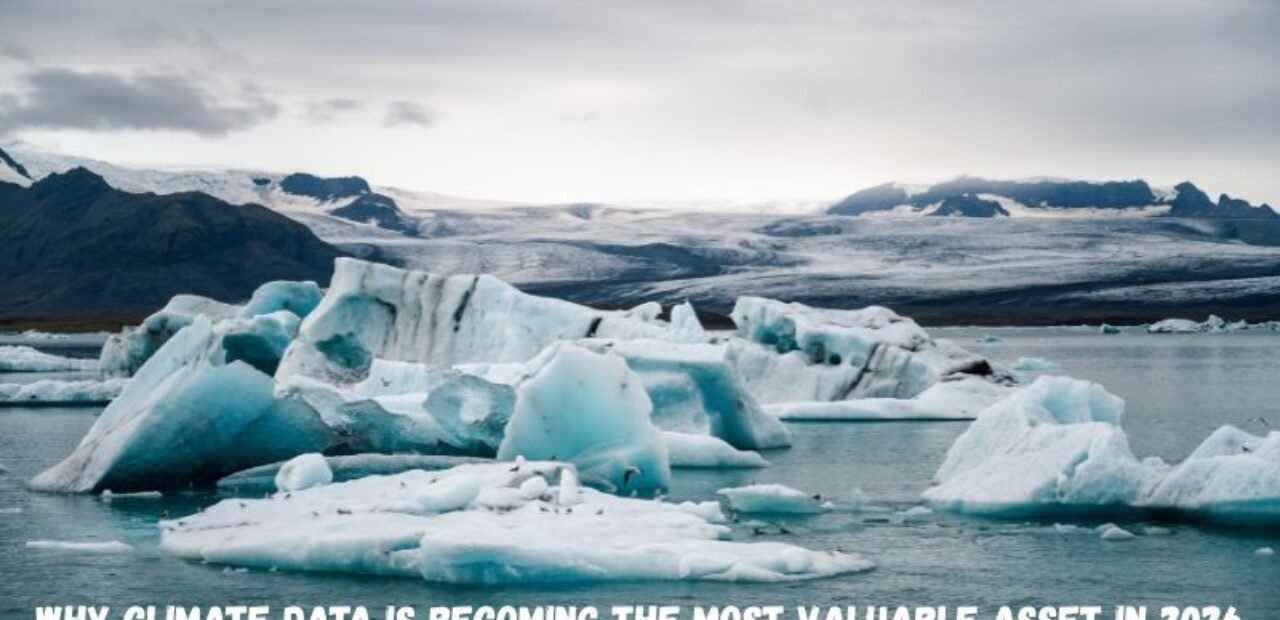
Why Climate Data Is Becoming the Most Valuable Asset in 2026

The global conversation around climate change is no longer limited to activism or policy debates. In 2026, climate data has emerged as one of the most valuable assets shaping decisions across governments, industries, and financial markets. From carbon accounting to energy transition planning, data is now at the center of how the world responds to environmental challenges.
One of the biggest shifts in recent years is the move from general awareness to precise measurement. Governments are no longer satisfied with broad estimates. Instead, they are relying on accurate and real-time data to understand emissions patterns, track progress, and design effective regulations. Businesses, too, are being pushed to disclose their environmental impact, making data transparency a critical requirement.
Understanding reliable greenhouse gas emissions data has become essential for organizations that want to align with global sustainability goals. Whether it is a manufacturing company assessing its carbon footprint or a policymaker drafting climate regulations, access to structured and credible emissions data enables informed decision-making. Without this foundation, sustainability efforts remain vague and ineffective.
Another key driver behind the growing importance of climate data is the rise of ESG (Environmental, Social, and Governance) investing. Investors are increasingly prioritizing companies that demonstrate accountability in their environmental practices. This shift has created a demand for standardized and verifiable data, making environmental analytics a core component of financial evaluation.
Technology is further accelerating this transformation. Artificial intelligence, satellite monitoring, and IoT-based sensors are now being used to collect and analyze environmental data at an unprecedented scale. These tools allow for better prediction models, helping governments and businesses anticipate climate risks and respond proactively rather than reactively.
At the same time, the energy sector is undergoing a massive transition. Renewable energy adoption, carbon neutrality goals, and global climate agreements require detailed tracking of emissions and resource usage. Data-driven insights are helping identify inefficiencies, optimize energy consumption, and guide investments into cleaner technologies.
However, the challenge lies not just in collecting data but in making sense of it. Raw numbers alone do not create impact. It is the interpretation, accessibility, and application of that data that determine its real value. This is where platforms focused on environmental intelligence are playing a crucial role by simplifying complex datasets into actionable insights.
Looking ahead, climate data will continue to evolve as a strategic asset rather than just a reporting requirement. Countries and companies that invest in data-driven sustainability will have a competitive advantage in navigating regulatory changes, attracting investments, and building long-term resilience.
In a world increasingly shaped by environmental constraints, data is becoming the bridge between awareness and action. The ability to measure, analyze, and respond effectively will define how successfully societies adapt to the challenges of climate change in the years to come.